
$45.84
Add to Cart
Peperomia Raspberry Ice Flower Houseplant Live Plant - Plant for Your Home Garden
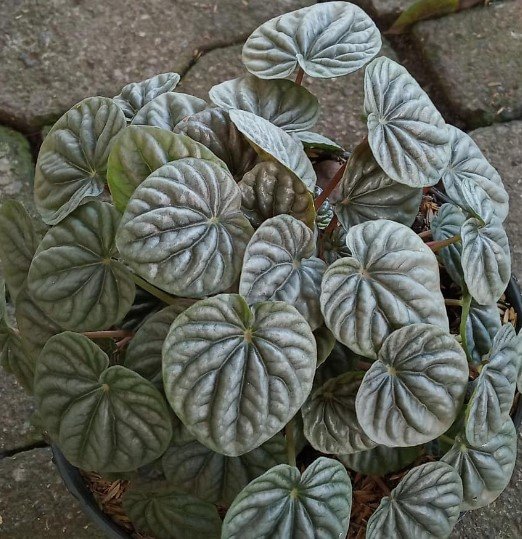
Peperomia Raspberry Ice Flower Houseplant Live Plant - Plant for Your Home Garden
Peperomia caperata, commonly known as the Ripple Peperomia or Emerald Ripple Peperomia, is a delightful species valued for its textured, deeply corrugated leaves and compact growth habit. Here are the care guidelines for Peperomia caperata:
1. **Light**: Peperomia caperata prefers bright, indirect light. It can tolerate lower light conditions, but too much direct sunlight can scorch the leaves. Ideal placement is near a window with filtered light or an east-facing window.
2. **Watering**: Allow the top inch or so of soil to dry out between waterings. Water thoroughly when watering, but do not let the plant sit in water as it is prone to root rot. In winter, reduce watering frequency as growth slows down.
3. **Humidity**: Peperomia caperata enjoys moderate to high humidity levels. Regular misting or placing the plant on a humidity tray can help maintain humidity, especially in drier indoor environments. However, it can tolerate average indoor humidity levels.
4. **Temperature**: Maintain temperatures between 65-75°F (18-24°C). It can tolerate slightly cooler temperatures, but avoid drafts and sudden temperature drops.
5. **Soil**: Use a well-draining potting mix that retains some moisture. A mix formulated for succulents or houseplants works well. Adding perlite or coarse sand can improve drainage.
6. **Fertilizing**: Feed Peperomia caperata every 4-6 weeks during the growing season (spring and summer) with a balanced liquid fertilizer diluted to half strength. Avoid fertilizing in fall and winter when growth slows down.
7. **Potting and Repotting**: Repot young plants annually in spring into a slightly larger pot to accommodate growth. Mature plants can be repotted every 2-3 years. Ensure the pot has drainage holes to prevent waterlogging.
8. **Propagation**: Peperomia caperata can be propagated from stem cuttings. Take a cutting just below a leaf node and place it in water or moist potting mix until roots develop. Once roots are established, transplant the cutting into its own pot.
9. **Pruning**: Trim yellow or dead leaves regularly to maintain the plant's appearance and encourage new growth.
10. **Pests**: Monitor for common houseplant pests such as spider mites, aphids, or mealybugs. Treat any infestations promptly with insecticidal soap or neem oil.
Peperomia caperata is a charming addition to any indoor plant collection, appreciated for its unique foliage and ease of care. With the right conditions and regular maintenance, it can thrive and add a touch of greenery to your home or office environment.
In the photo is not factual item...
The size live plant item depends on stock...
Thank you
Peperomia caperata, commonly known as the Ripple Peperomia or Emerald Ripple Peperomia, is a delightful species valued for its textured, deeply corrugated leaves and compact growth habit. Here are the care guidelines for Peperomia caperata:
1. **Light**: Peperomia caperata prefers bright, indirect light. It can tolerate lower light conditions, but too much direct sunlight can scorch the leaves. Ideal placement is near a window with filtered light or an east-facing window.
2. **Watering**: Allow the top inch or so of soil to dry out between waterings. Water thoroughly when watering, but do not let the plant sit in water as it is prone to root rot. In winter, reduce watering frequency as growth slows down.
3. **Humidity**: Peperomia caperata enjoys moderate to high humidity levels. Regular misting or placing the plant on a humidity tray can help maintain humidity, especially in drier indoor environments. However, it can tolerate average indoor humidity levels.
4. **Temperature**: Maintain temperatures between 65-75°F (18-24°C). It can tolerate slightly cooler temperatures, but avoid drafts and sudden temperature drops.
5. **Soil**: Use a well-draining potting mix that retains some moisture. A mix formulated for succulents or houseplants works well. Adding perlite or coarse sand can improve drainage.
6. **Fertilizing**: Feed Peperomia caperata every 4-6 weeks during the growing season (spring and summer) with a balanced liquid fertilizer diluted to half strength. Avoid fertilizing in fall and winter when growth slows down.
7. **Potting and Repotting**: Repot young plants annually in spring into a slightly larger pot to accommodate growth. Mature plants can be repotted every 2-3 years. Ensure the pot has drainage holes to prevent waterlogging.
8. **Propagation**: Peperomia caperata can be propagated from stem cuttings. Take a cutting just below a leaf node and place it in water or moist potting mix until roots develop. Once roots are established, transplant the cutting into its own pot.
9. **Pruning**: Trim yellow or dead leaves regularly to maintain the plant's appearance and encourage new growth.
10. **Pests**: Monitor for common houseplant pests such as spider mites, aphids, or mealybugs. Treat any infestations promptly with insecticidal soap or neem oil.
Peperomia caperata is a charming addition to any indoor plant collection, appreciated for its unique foliage and ease of care. With the right conditions and regular maintenance, it can thrive and add a touch of greenery to your home or office environment.
In the photo is not factual item...
The size live plant item depends on stock...
Thank you


 ID, yogyakarta