
$214.94
Add to Cart
Anthurium Hookeri Birds Nest Cubense plant Rare Home Rare Live Plant - Plant for Your Home Garden
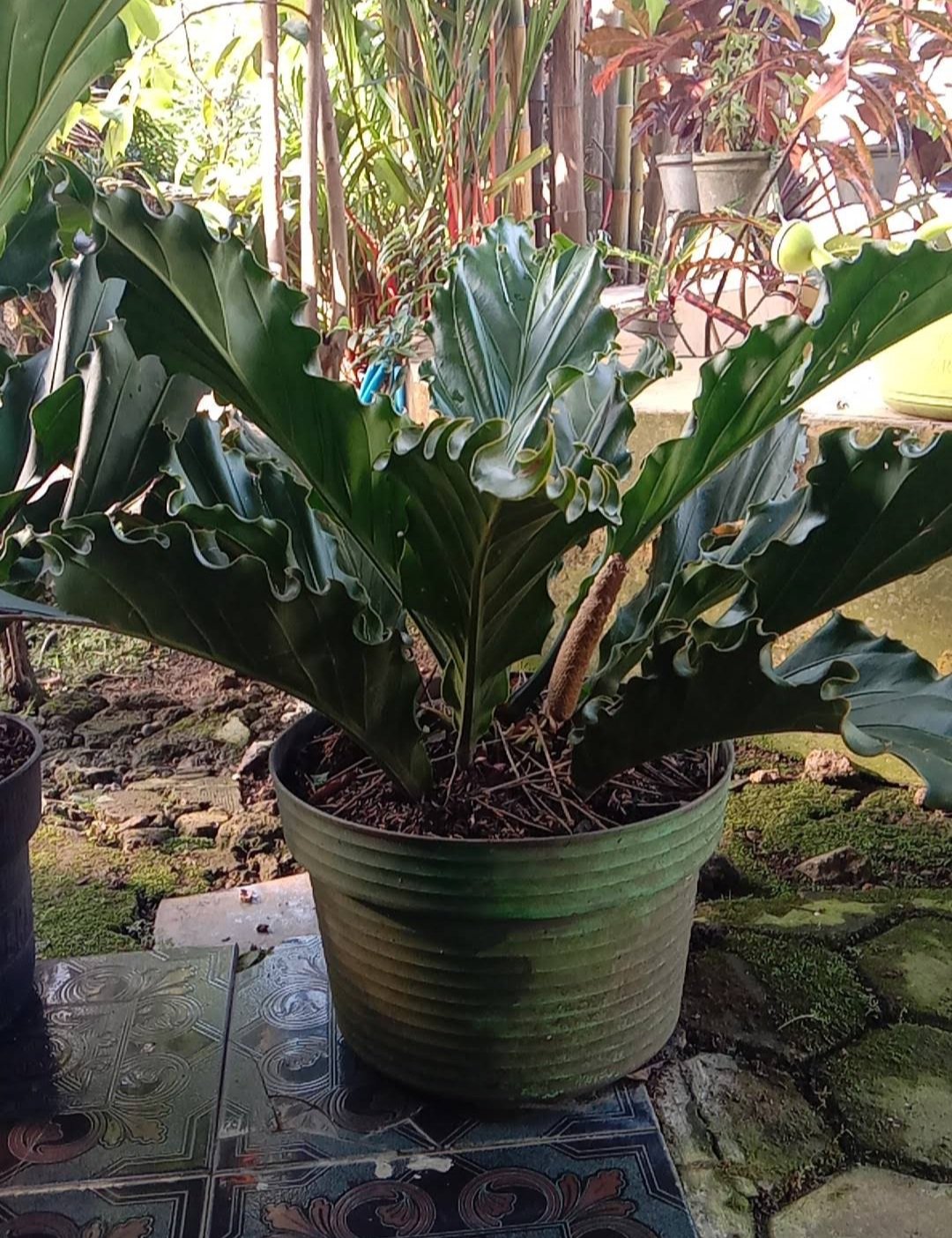
Anthurium Hookeri Birds Nest Cubense plant Rare Home Rare Live Plant - Plant for Your Home Garden
Anthuriums, also known as flamingo flowers or laceleaf, are beautiful tropical plants known for their glossy, heart-shaped flowers and dark green leaves. Here's how to care for an Anthurium:
Light: Anthuriums thrive in bright, indirect light. Place them near a window where they can receive filtered sunlight. Direct sunlight can scorch their leaves, so avoid placing them in intense sunlight.
Watering: Anthuriums prefer consistently moist but not soggy soil. Water your Anthurium when the top inch (2.5 cm) of the soil feels dry to the touch. Water thoroughly, allowing excess water to drain out of the bottom of the pot. Empty any excess water from the saucer to prevent root rot.
Humidity: Anthuriums prefer high humidity, so it's beneficial to increase humidity levels around the plant. You can achieve this by misting the leaves regularly, placing the plant on a tray filled with pebbles and water (ensure the pot is not sitting in the water), or using a humidifier.
Temperature: Anthuriums thrive in temperatures between 65°F and 80°F (18°C to 27°C). They are sensitive to cold temperatures, so keep them away from drafts or cold air conditioning vents.
Soil: Use a well-draining potting mix with good aeration. A mix formulated for orchids or a blend of peat moss, perlite, and pine bark works well for Anthuriums.
Fertilizing: Fertilize your Anthurium every 4-6 weeks during the growing season (spring and summer) with a balanced liquid fertilizer diluted to half strength. Reduce or stop fertilizing during the fall and winter when the plant is not actively growing.
Potting: Repot your Anthurium every 2-3 years or when it becomes root-bound. Choose a pot that is slightly larger than the current one and use fresh potting mix.
Pruning: Remove any yellowing or dead leaves as needed to maintain the plant's appearance. You can also prune old flowers to encourage new growth.
Pests and Diseases: Anthuriums are generally resistant to pests and diseases, but they can occasionally attract mealybugs, aphids, or scale insects. Check the plant regularly for signs of pests and treat them promptly with insecticidal soap or neem oil if necessary.
Support: Provide support for taller varieties by staking them if necessary to prevent them from toppling over.
By following these care tips, you can keep your Anthurium healthy and thriving, rewarding you with its stunning flowers for years to come.
In the photo is not factual item...
The size live plant item depends on stock...
Thank you
Anthuriums, also known as flamingo flowers or laceleaf, are beautiful tropical plants known for their glossy, heart-shaped flowers and dark green leaves. Here's how to care for an Anthurium:
Light: Anthuriums thrive in bright, indirect light. Place them near a window where they can receive filtered sunlight. Direct sunlight can scorch their leaves, so avoid placing them in intense sunlight.
Watering: Anthuriums prefer consistently moist but not soggy soil. Water your Anthurium when the top inch (2.5 cm) of the soil feels dry to the touch. Water thoroughly, allowing excess water to drain out of the bottom of the pot. Empty any excess water from the saucer to prevent root rot.
Humidity: Anthuriums prefer high humidity, so it's beneficial to increase humidity levels around the plant. You can achieve this by misting the leaves regularly, placing the plant on a tray filled with pebbles and water (ensure the pot is not sitting in the water), or using a humidifier.
Temperature: Anthuriums thrive in temperatures between 65°F and 80°F (18°C to 27°C). They are sensitive to cold temperatures, so keep them away from drafts or cold air conditioning vents.
Soil: Use a well-draining potting mix with good aeration. A mix formulated for orchids or a blend of peat moss, perlite, and pine bark works well for Anthuriums.
Fertilizing: Fertilize your Anthurium every 4-6 weeks during the growing season (spring and summer) with a balanced liquid fertilizer diluted to half strength. Reduce or stop fertilizing during the fall and winter when the plant is not actively growing.
Potting: Repot your Anthurium every 2-3 years or when it becomes root-bound. Choose a pot that is slightly larger than the current one and use fresh potting mix.
Pruning: Remove any yellowing or dead leaves as needed to maintain the plant's appearance. You can also prune old flowers to encourage new growth.
Pests and Diseases: Anthuriums are generally resistant to pests and diseases, but they can occasionally attract mealybugs, aphids, or scale insects. Check the plant regularly for signs of pests and treat them promptly with insecticidal soap or neem oil if necessary.
Support: Provide support for taller varieties by staking them if necessary to prevent them from toppling over.
By following these care tips, you can keep your Anthurium healthy and thriving, rewarding you with its stunning flowers for years to come.
In the photo is not factual item...
The size live plant item depends on stock...
Thank you


 ID, yogyakarta